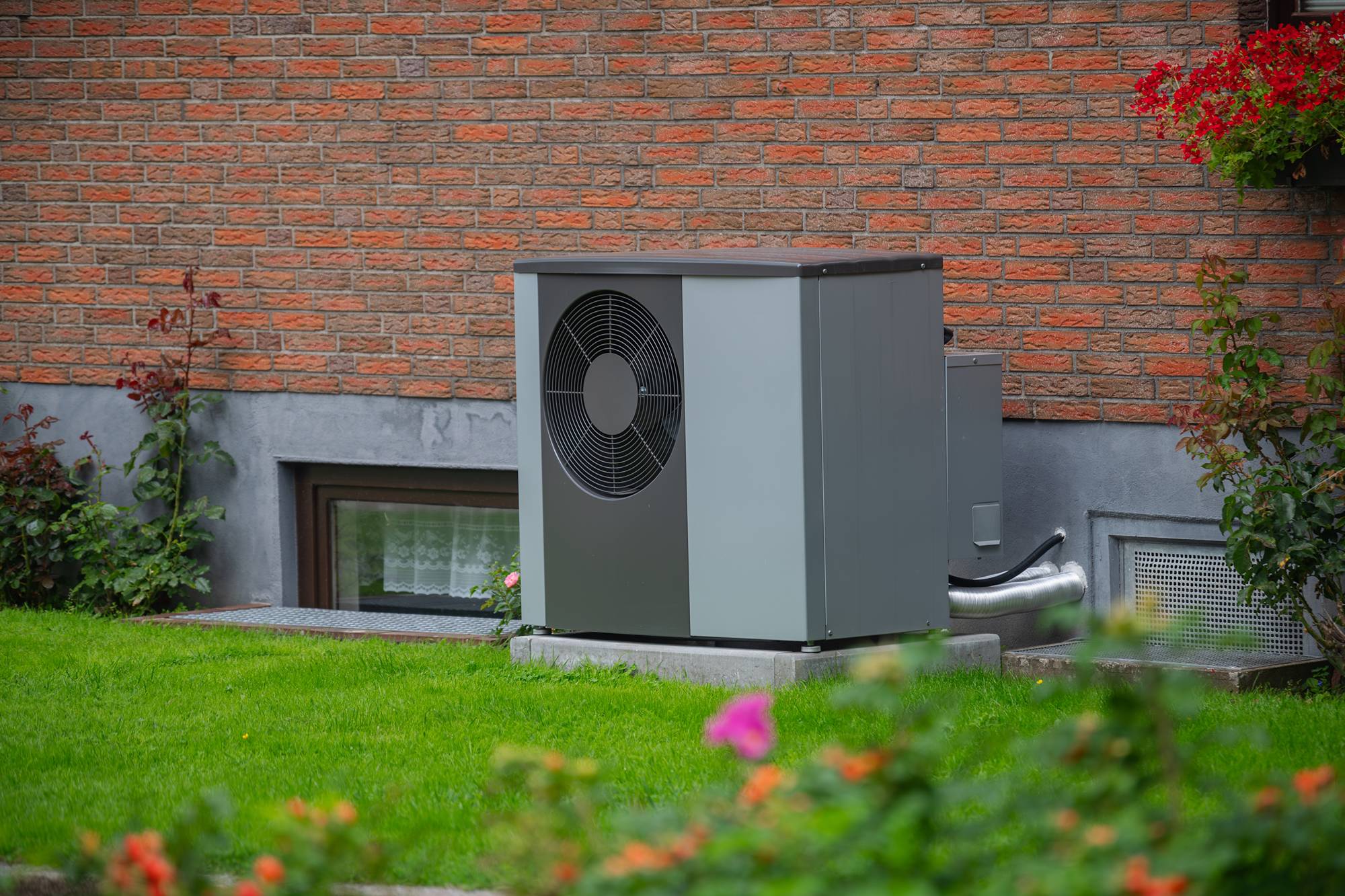
It is one of the questions we hear most often: will a heat pump really cost less to run than my gas boiler? The honest answer is that it depends on your home, how well the system is designed and which tariff you are on. Here is how the numbers stack up at today’s prices.
The Numbers Behind the Question
From 1 October to 31 December 2026, the Ofgem price cap sets electricity at 26.32p per kWh and gas at 7.97p per kWh. That means a unit of electricity costs roughly 3.3 times as much as a unit of gas. VAT on domestic electricity has also been temporarily removed until 31 March 2027, and that is already reflected in the figure.
A modern condensing gas boiler turns around 85 to 90 per cent of its fuel into heat. A heat pump works differently: it moves heat from the outside air into your home, so it can deliver several units of heat for every unit of electricity it uses. That ratio is known as the seasonal coefficient of performance, or SCOP.
A Worked Example
Imagine a home that needs 9,000 kWh of useful heat a year. Using the October price cap rates, and looking at unit costs only (standing charges excluded), the running costs look roughly like this:
- Gas boiler at 90% efficiency – about 10,000 kWh of gas, costing around £797
- Heat pump at SCOP 3.5 – about 2,570 kWh of electricity, costing around £677
- Heat pump at SCOP 3.0 – about 3,000 kWh of electricity, costing around £790
- Heat pump at SCOP 2.5 – about 3,600 kWh of electricity, costing around £948
So at the current cap, a heat pump needs a SCOP of around 3 to match a modern gas boiler on unit costs. Above that, it starts to save money. Below it, it costs more.
What Efficiency Can You Realistically Expect?
A SCOP of 3 or more is realistic for a properly designed system, and independent monitoring projects such as HeatpumpMonitor.org have reported UK averages close to 4 for well-installed air source heat pumps.
But efficiency is not automatic. An oversized or undersized unit, radiators that force high flow temperatures or poorly set controls can all drag performance down. This is why design matters so much, and why a proper room-by-room heat-loss calculation is the foundation of any good installation.
Don’t Forget Standing Charges
If you disconnect from the gas network after switching, you also stop paying the gas standing charge, which is 29.68p a day at the current cap. That is about £108 a year before you have saved a single unit of energy.
Tariffs Can Change the Picture
The price cap is a default rate, not the only option. Some suppliers offer tariffs designed for heat pumps, with cheaper electricity at certain times of day. A heat pump that can shift part of its heating into cheaper periods may cost noticeably less to run than the cap-based figures suggest.
What About the Upfront Cost?
Running costs are only half of the picture. A heat pump costs more to install than a boiler, but the Boiler Upgrade Scheme currently offers £7,500 towards an eligible air-to-water heat pump in England and Wales. Until 31 March 2027, qualifying off-gas homes heated by oil or LPG may be eligible for £9,000.
Where a Heat Pump Makes the Most Sense
The strongest cases tend to be:
- Homes heated by oil, LPG or electric heating – these fuels cost far more per unit of heat than mains gas. In our own case studies, customers replacing an ageing oil boiler and an electric boiler have saved £1,300 and £6,500 a year respectively
- Well-insulated homes, or homes that can be improved – lower heat loss means lower running costs
- Homes with solar panels – your own electricity can power your heating
The picture is less clear-cut if you already have a new, efficient gas boiler, or if your home is poorly insulated and needs high-temperature radiators. In those cases, improving the building first, or taking time to compare options, may be wiser.
The Bottom Line
At the October 2026 price cap, a well-designed heat pump should cost a little less to run than a gas boiler, and considerably less than oil, LPG or direct electric heating. A poorly designed one may not. Remember too that the price cap changes every three months, so the gap can move.
Curious what a heat pump might cost to run in your home? NCS Plumbing & Heating Specialists are MCS-certified installers, and we design every system around your property using detailed heat-loss calculations. Start your free heat pump assessment and find out what is possible.