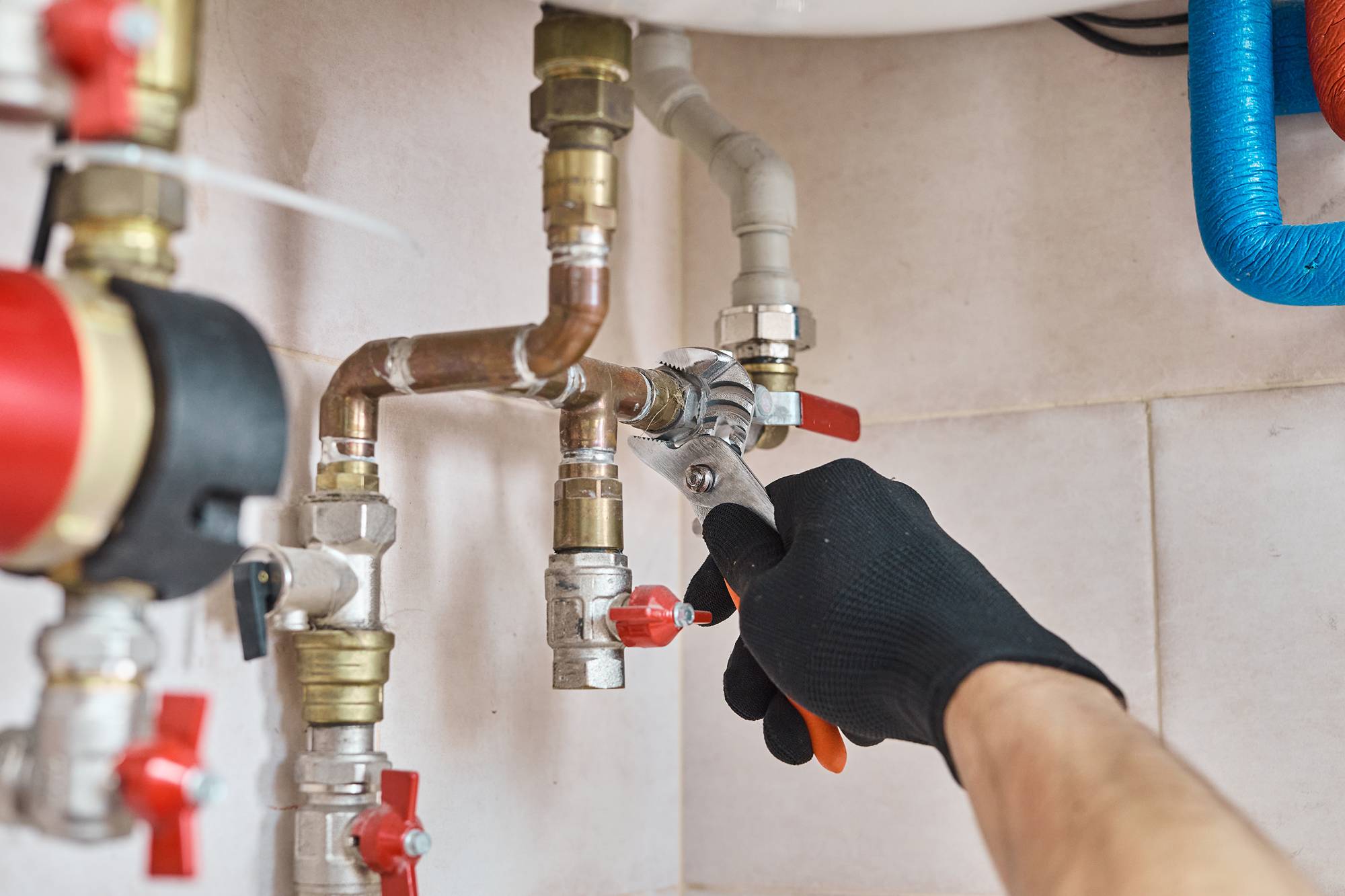
Replacing a boiler is a big decision, and for many people the unknown is almost as stressful as the cost. Who will turn up? How long will you be without heating? What is actually going to happen in your home?
Knowing what to expect makes the whole process far less daunting. Here is a clear, step-by-step guide to what happens on installation day, from the moment your engineers arrive to the moment they hand over the keys to your new heating.
Before the Day
A good installation starts well before the engineers arrive. Your installer should assess your property, your existing system and your hot water needs, then recommend a suitable combi, system or conventional boiler and provide a quotation before any work is booked.
Many straightforward boiler replacements can be completed within a day. Jobs that involve moving the boiler, converting from a conventional system to a combi, or carrying out additional heating work can take longer, and your installer will tell you in advance.
Step 1: Arrival and Preparation
Your engineers will arrive, talk through the plan with you and agree where they will be working. They should protect floors and furnishings with dust sheets, and confirm what will be removed, what will be fitted and when your heating and hot water will be off.
Step 2: Draining Down and Removing the Old Boiler
Next, the heating system is isolated and drained down so that the old boiler can be safely disconnected and removed, along with its flue where necessary. This is also a chance for the engineers to inspect the existing pipework and the condition of the wider system.
Step 3: Protecting the System
A new boiler should not be connected to a dirty system. Depending on its condition, your engineers may clean or flush the system, add a magnetic filter to capture debris, and treat the water with inhibitor to protect against corrosion. In hard water areas, scale protection may also be recommended.
Step 4: Fitting the New Boiler
The new boiler is mounted, then connected to the gas supply, heating and hot water pipework, electrics, flue and condensate drain. Any new controls, such as a thermostat or smart control, are installed at the same time. All gas work must be completed by a Gas Safe registered engineer.
Step 5: Filling, Testing and Commissioning
Once everything is connected, the system is refilled, vented and brought up to pressure. Then comes commissioning, the most important stage of all. Your engineer will:
- Test for gas tightness and check the working gas pressure
- Carry out a flue gas analysis to confirm the boiler is burning cleanly and efficiently
- Check that safety devices and controls are working correctly
- Complete the Benchmark Commissioning Checklist, the official record of the installation
If an engineer does not complete the checklist, ask why. It is your proof that the boiler was installed to the manufacturer’s instructions, and it matters for your warranty.
Step 6: Handover
Before they leave, your engineers should demonstrate your controls, explain how to check the boiler pressure and answer any questions. You should be given the manufacturer’s instructions and the completed Benchmark checklist to keep somewhere safe, and you will usually be asked to sign to confirm the handover.
After the Installation
A few things happen once the engineers have gone:
- Guarantee registration – most manufacturers require the boiler to be registered within a set period, often 30 days. Selected Worcester Bosch products installed by an accredited installer can carry guarantees of up to 12 years, subject to the product and installation terms
- Gas Safe notification – your installer should notify the installation to the Gas Safe Register, which confirms it complies with building regulations
- Annual servicing – most guarantees depend on your boiler being serviced every year, so book the first service before the anniversary
How to Make the Day Run Smoothly
A little preparation helps your engineers get on with the job:
- Clear the space around the boiler and any areas they will need to reach, such as the airing cupboard or loft hatch
- Make sure there is somewhere for the engineers to park
- Plan for no heating or hot water while work is carried out, especially in cold weather
Why Choosing the Right Installer Matters
The quality of an installation matters just as much as the boiler itself. Look for a Gas Safe registered installer with manufacturer accreditation, clear communication and a proper handover.
Thinking about replacing your boiler? NCS Plumbing & Heating Specialists are Gas Safe registered and Worcester Bosch Diamond Installers, and we install combi, system and conventional boilers from leading manufacturers across Hertfordshire and the South East. Get your free, no-obligation boiler quote today.