With energy prices remaining a constant worry for homeowners, the idea of a “Zero Bills Home” understandably grabs attention. But what does it actually mean in practice, and is it realistic for a typical Hertfordshire property? Here’s how it works, and what’s actually involved in getting there.
What Is a Zero Bills Home?
A Zero Bills Home is built around a simple idea: reduce the energy your property needs, generate more of that energy on-site, and use it intelligently rather than wastefully. Instead of treating heating, electricity generation and battery storage as separate, unrelated systems, the whole property is designed as one integrated energy system.
In practice, this usually means combining an Air Source Heat Pump, Solar PV panels and battery storage, alongside a genuinely energy-efficient building. The result is a home designed for lower running costs, greater independence from the grid, and a much more efficient way of living.
The Four Elements Working Together
Every Zero Bills setup relies on four things working in harmony:
- Solar PV – generating renewable electricity directly from your roof
- Battery Storage – storing surplus solar generation so it can be used later, rather than exported and lost
- Air Source Heat Pump – providing efficient, low-carbon heating and hot water without a traditional boiler
- Smart Energy Management – coordinating generation, storage and household demand throughout the day
On a sunny day, the sequence typically runs from sun to solar panels, into the battery, and finally into your home, covering heating, hot water and everyday electricity use with far less reliance on imported energy.
It Starts With the Property, Not the Product
A genuine Zero Bills approach isn’t simply a case of bolting a heat pump, some solar panels and a battery onto any house. The building itself matters just as much as the equipment installed.
Before recommending any technology, a proper assessment needs to consider factors including heat loss, existing insulation, heating and hot water demand, roof orientation and solar potential, required battery capacity, electrical infrastructure, existing radiators or underfloor heating, and any future EV charging needs. Get this stage wrong, and even the best equipment won’t deliver the results you’re expecting.
New Build vs Existing Homes
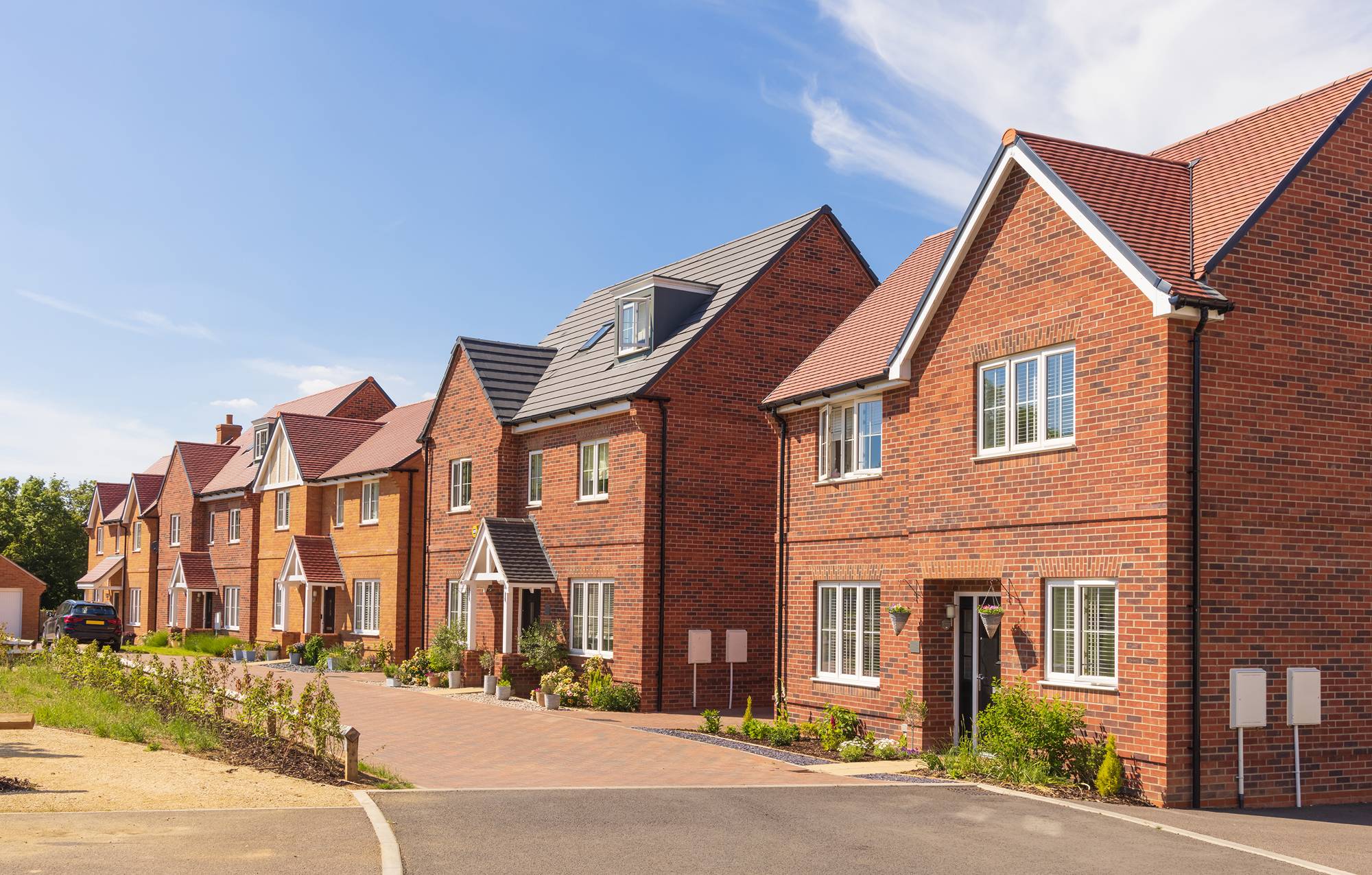
New-build properties offer the ideal opportunity to design heating, electricity generation, storage and electrical infrastructure together from day one, covering everything from heat-loss calculations through to installation and commissioning.
Existing homes can potentially apply the same principles, but the starting point has to be understanding the building itself. That might mean improving insulation, upgrading radiators or underfloor heating, reviewing electrical capacity, or identifying a suitable location for a battery, before the technology can perform as intended.
Why It Matters Beyond Lower Bills
A well-designed home energy system offers benefits that go beyond the monthly bill, including:
- Greater energy independence, generating more of what you consume
- Reduced exposure to future energy price rises
- Lower-carbon heating through electrified, renewable-led technology
- A future-ready home, with heat pumps, solar, batteries and EV charging working as one ecosystem
Is It Automatic?
It’s worth being clear that simply installing solar panels, a battery and a heat pump doesn’t automatically guarantee a Zero Bills result. Building fabric, heat loss, electrical demand, system sizing and available renewable generation all affect the final outcome, which is exactly why proper assessment and design matter so much.
Why Work With NCS
NCS is proud to be recognised as an Octopus Trusted Partner and Cosy Accredited Installer, bringing together over 25 years of heating, renewable energy and electrical experience under one team. As an MCS certified and NICEIC approved contractor, we assess, calculate, design, install and optimise every element of your system, then remain available for ongoing servicing and support.
The Bottom Line
A Zero Bills Home isn’t about chasing a trend, it’s a genuinely different way of thinking about how a property generates, stores and uses energy. Whether you’re planning a new build, upgrading an existing home, or developing multiple properties, understanding the technology and the assessment process is the first step towards a lower-cost, lower-carbon future.
Curious whether your property could become a Zero Bills Home? Start a conversation with NCS for a free assessment and expert advice: https://ncspm.co.uk/zero-bills-homes/