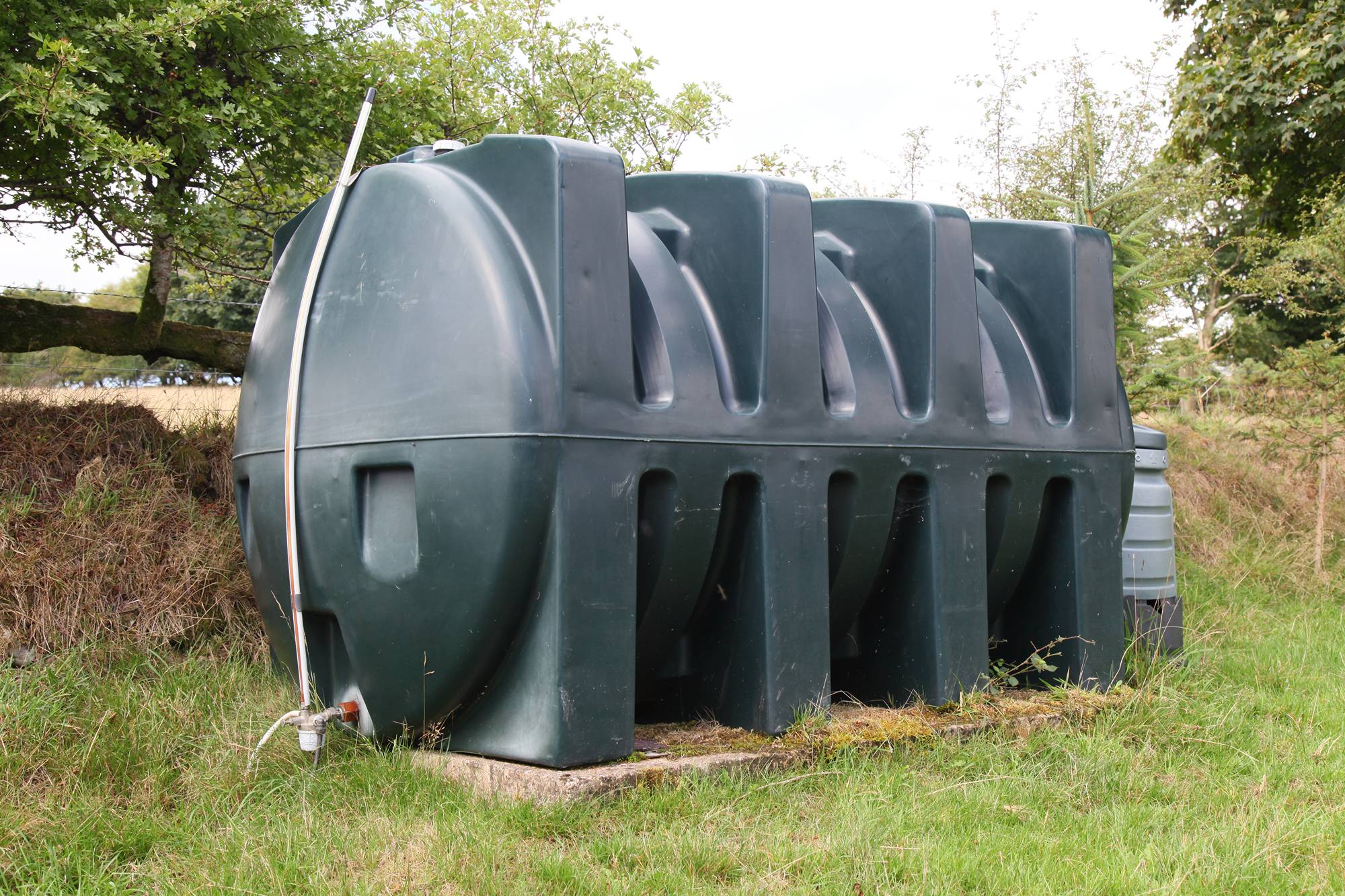
If your home relies on oil heating, your tank is doing more than just storing fuel – it’s also subject to a set of rules most homeowners never think about until they need a replacement. Whether you’re installing a brand new tank or replacing an ageing one, understanding the regulations helps you avoid costly mistakes, environmental risks and problems further down the line.
Why Do Oil Tank Regulations Exist?
Oil is highly polluting if it escapes into soil or water. A single leak can contaminate groundwater, damage nearby watercourses and lead to expensive clean-up bills, which is why UK regulations focus heavily on preventing spills before they happen, rather than dealing with the aftermath.
Where Can You Position an Oil Tank?
Positioning matters more than many homeowners realise. As a general guide, a tank with a capacity under 3,500 litres should be sited at least 760mm from a boundary, provided there are no flue outlets, doors or windows in the way. Additional fire separation distances apply where the tank sits near buildings, boilers or boundaries with openings facing it.
Every property is different, so it’s always worth confirming exact requirements with your local council or an OFTEC registered installer before finalising a location, particularly if space is tight.
Do You Need a Bunded Tank?
A bunded tank is essentially a tank within a tank, designed so that any leak is safely contained rather than escaping into the ground. For domestic properties, whether a bund is required depends on a short risk assessment covering factors such as:
- Storing more than 2,500 litres of oil
- A tank positioned near an open drain or loose-fitting manhole
- Being within 10 metres of a river, stream or other controlled water
- Being within 50 metres of a borehole, spring or well
- A tank vent that isn’t visible from the filling point
- The property being used for something other than a single family dwelling
If any of these apply to your property, a single-skin tank likely won’t meet requirements, and a bunded model will be needed instead.
What About the Base?
The tank’s base is just as regulated as its position. A concrete base should generally be at least 100-150mm thick, properly reinforced, and extend around 300mm beyond every side of the tank. It needs to be level, non-combustible and capable of supporting the tank’s full weight once filled with oil.
Do You Need Planning Permission?
For most standard domestic installations, planning permission isn’t required. However, if your property is listed or sits within a conservation area, it’s worth checking with your local planning authority before proceeding.
Who Can Actually Install Your Tank?
This is where many homeowners come unstuck. Oil tank installations should be carried out by an OFTEC registered technician, who can self-certify that the work meets current Building Regulations without needing separate sign-off from local building control. At NCS, our engineers are fully OFTEC registered, meaning your installation is compliant from day one, with the paperwork to prove it if you ever come to sell your home.
What Happens If You Don’t Comply?
Beyond the environmental risk, non-compliant installations can cause real headaches later. Contamination clean-up costs can run into thousands of pounds, insurance claims can be complicated or refused, and an uncertified tank can raise questions during a property sale or mortgage survey.
The Bottom Line
Oil tank regulations exist to protect your property, your neighbours and the environment, and they’re far easier to get right at the point of installation than to fix afterwards. Positioning, bunding requirements, the base and who carries out the work all matter more than most homeowners realise.
At NCS, we’ve been OFTEC registered installers of domestic oil tanks across Hertfordshire and the South East for years, and we’ll make sure your installation is fully compliant from the ground up.
Thinking about replacing or installing an oil tank? Get in touch with NCS for a free, no-obligation quote: https://ncspm.co.uk/services/domestic-oil-tank-installation/