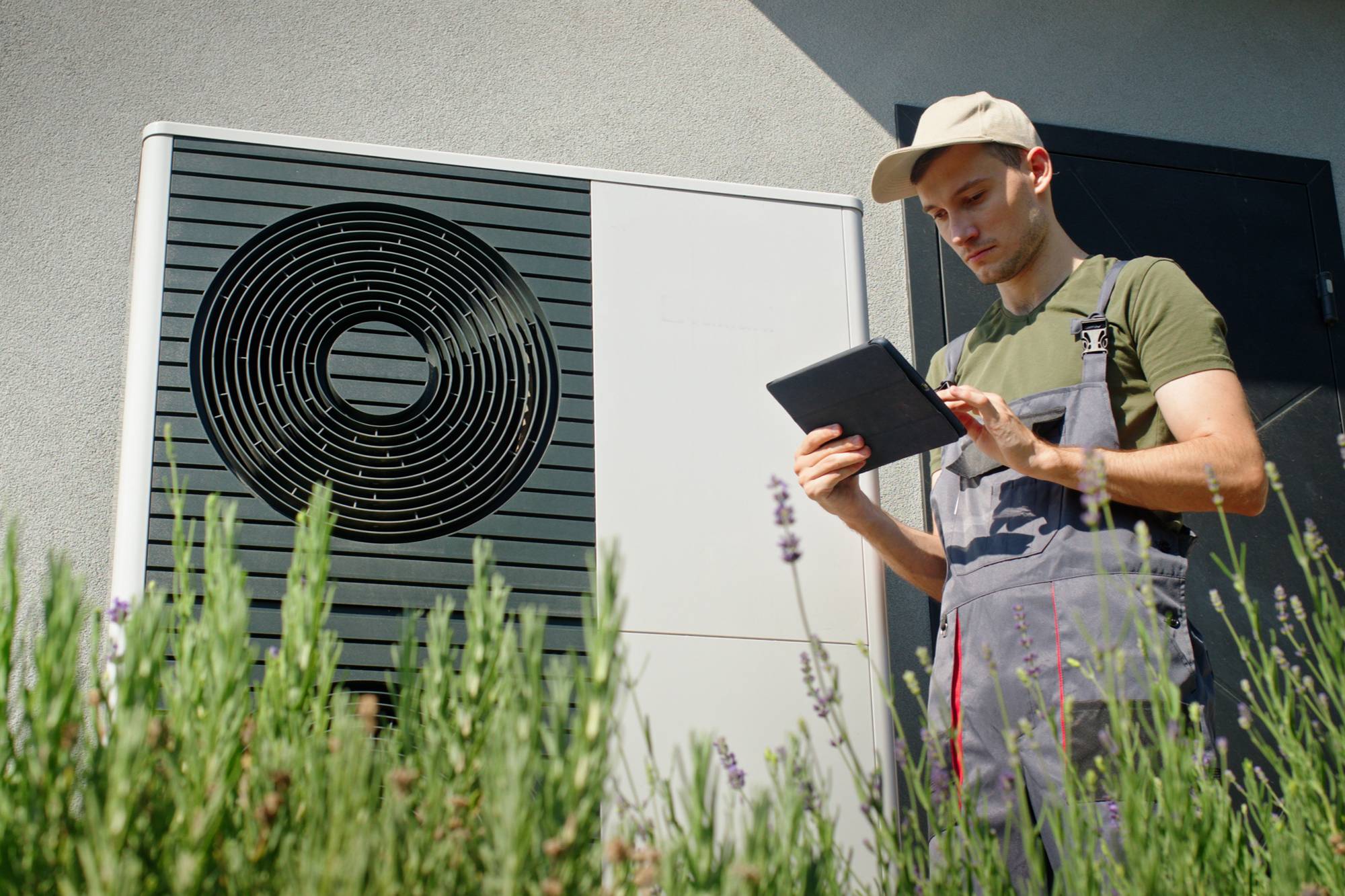
An air source heat pump has no flame, no flue and very few moving parts you can see, so it is easy to assume it looks after itself. In reality, it works hard all year, drawing heat from the outside air in every kind of weather, and it benefits from a yearly check-up just like a boiler does.
If you have a heat pump, or you are thinking of fitting one, you may be wondering what a service actually involves, how long it takes and whether it is really necessary. Here is a clear, jargon-free guide.
Why Do Heat Pumps Need Servicing?
Manufacturers generally require an annual service, and the Heat Pump Association’s industry service checklist says a system should be serviced in line with the manufacturer’s instructions by a competent person, with the details recorded in a service record. Skipping it can put your warranty at risk.
Beyond the paperwork, servicing protects efficiency. Heat pump performance depends on clean heat exchange surfaces, correct water pressure and well-set controls. Small drifts in any of these can quietly push up your electricity use long before you notice a problem.
What Does the Engineer Check?
The exact steps vary between manufacturers and models, but a thorough service typically covers:
- The outdoor unit – a visual inspection for damage, checks that clearances around the unit are not restricting airflow, and cleaning of the coil and fan area where needed
- Electrical safety – checking connections, isolators and wiring for signs of wear or heat damage
- The water circuit – checking system pressure, pipework and visible joints for leaks, plus the insulation on outdoor pipework
- Filters and strainers – cleaning the magnetic filter and any strainer protecting the pump and heat exchanger
- Antifreeze and inhibitor – checking protection levels and topping up where the system uses glycol
- Controls and settings – reviewing flow temperatures, schedules, controller settings and any stored fault history
- Hot water cylinder – inspecting the cylinder and its safety components, such as the expansion vessel, where fitted
Your engineer will also run the system to confirm it starts and operates normally.
How Long Does a Service Take?
Most heat pump services take a couple of hours, depending on the model, the cylinder and the condition of the system. The engineer will need access to the outdoor unit, the controls and the cylinder, so it helps to have these areas clear before they arrive.
What Happens Afterwards?
You should receive a written service record confirming what was checked, along with any recommendations. Keep it with your installation paperwork. It supports your warranty and is useful if you ever sell the property.
If the engineer spots something that needs attention, such as a failing pump or a low glycol level, they will explain your options before any additional work is carried out. As with boilers, repairs and replacement parts are normally separate from the service itself.
Simple Checks You Can Do Between Services
A few minutes of attention every month or so can help your heat pump perform at its best:
- Keep the area clear – leaves, weeds, snow and stored items should stay well away from the outdoor unit so air can flow freely
- Never cover or box in the unit – restricted airflow reduces efficiency
- Glance at the system pressure – many systems sit at around 1 bar or above when cold, but check your manufacturer’s guidance for the correct range
- Watch your app or controller – a sudden jump in electricity use or a fault message is worth flagging
- Listen for changes – unusual noises from the unit or pipework deserve a call to your installer
When Is the Best Time to Book?
Many homeowners book their service in late summer or early autumn, so the system is ready before the coldest weather arrives, when it works hardest. Booking early also means you are not competing for appointments if a fault appears during the first cold snap.
Does Servicing Really Make a Difference?
A well-designed, well-maintained heat pump can deliver several units of heat for every unit of electricity it uses. Regular servicing is one of the simplest ways to protect that performance, and spotting a small problem early is almost always cheaper and less disruptive than dealing with a breakdown in the middle of winter.
Is your heat pump due a check-up, or are you considering one for your home? NCS Plumbing & Heating Specialists are MCS-certified heat pump installers, and our team is on hand for aftercare and servicing across Hertfordshire and the South East. Find out more about our air source heat pump services and get in touch for a free, no-obligation chat.