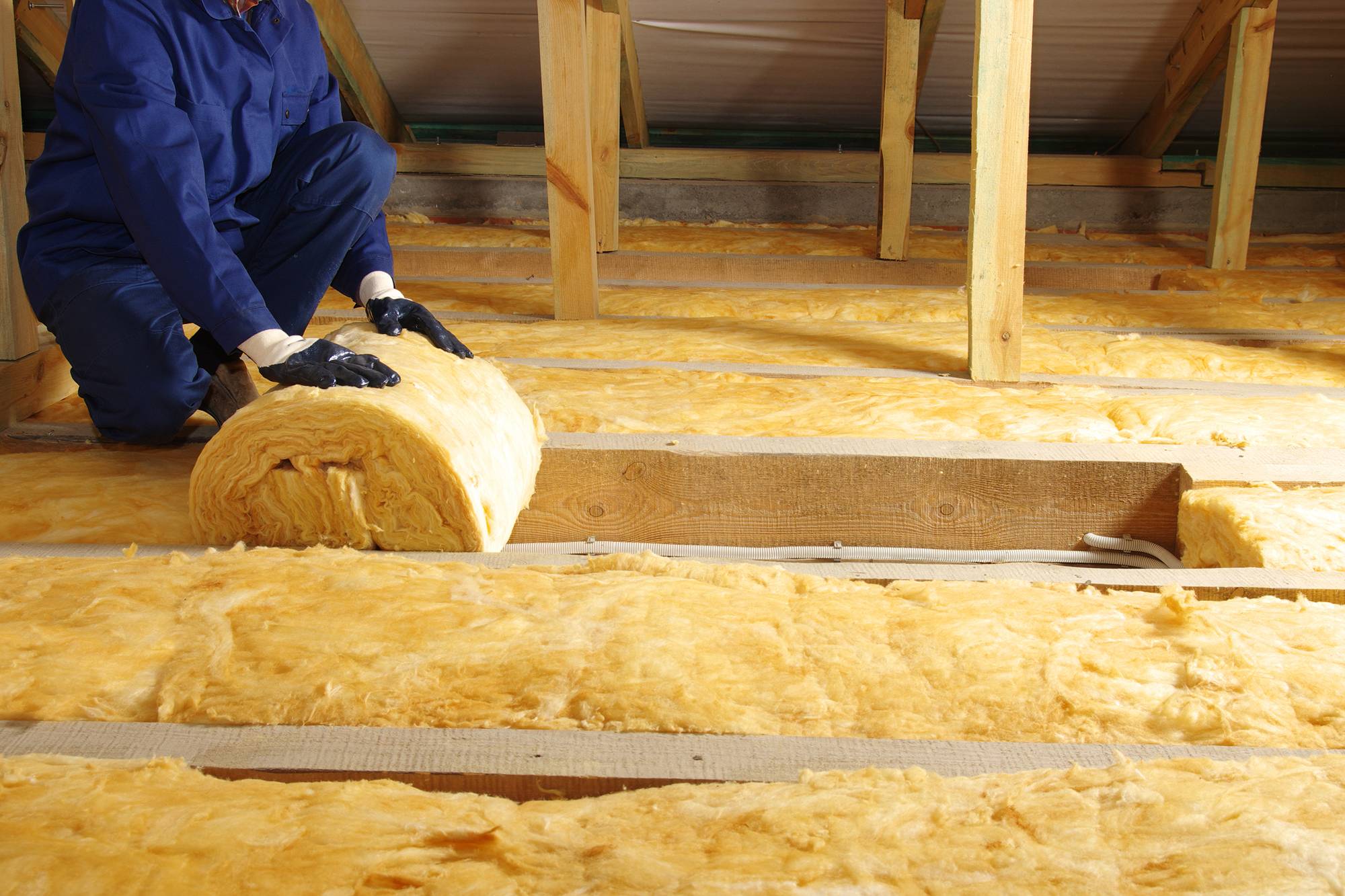
Your loft is one of the biggest escape routes for heat in your home. Warm air rises, and if there is not enough insulation above your ceilings, a lot of the energy you are paying for simply drifts out through the roof.
The good news is that loft insulation is one of the simplest, most cost-effective home improvements around. Here is how much you need, what it can save and what to watch out for.
How Much Loft Insulation Do You Need?
The recommended depth is 270mm of mineral wool, which is the figure the Energy Saving Trust gives for most homes. If you have less than around 200mm, your loft is considered under-insulated and is worth topping up.
Different materials work to different thicknesses, so the depth you need depends on what you use. As a guide, the aim is a well-insulated roof that meets modern building regulations, which is a U-value of roughly 0.16 W/m²K.
What Can It Save?
Savings depend on your type of home and what is up there now. Energy Saving Trust estimates, based on fuel prices in July 2024 and a typical gas-heated home, suggest going from no insulation to 270mm could save around:
- Detached house – £340 a year
- Semi-detached house – £200 a year
- Mid-terrace house – £180 a year
These figures will move with energy prices, so treat them as a guide rather than a promise. If you already have a decent layer, say 120mm, topping up to 270mm saves far less, perhaps £17 to £30 a year. The biggest gains come from lofts with little or nothing in them.
Check What You Already Have
You can often see your insulation depth with a torch and a tape measure from the loft hatch. Look at the joists, which are the timber beams across the floor, and see whether the insulation covers them. Take care to step only on the joists, never on the ceiling between them.
Signs you may need more include:
- Insulation lying level with or below the top of the joists
- Compressed, damp or patchy material
- Rooms that feel cold in winter and stuffy in summer
- Frost or snow melting quickly on your roof while neighbours’ roofs stay covered
Choosing the Right Type
There are several options, and the best choice depends on your loft:
- Blanket rolls – mineral wool or similar, the most common and cost-effective choice for open lofts
- Blown loose-fill – good for awkward corners and hard-to-reach spaces, though it can settle over time
- Rigid boards – useful where you need to keep headroom, such as loft conversions
- Spray foam – effective in some cases, but it needs specialist installation and can cause problems with roof ventilation if done badly
Getting It Right
A few details make a real difference to how well loft insulation performs:
- Do not block the eaves. Roof spaces need ventilation to prevent condensation and damp
- Keep pipes and tanks in mind. Insulating above the ceiling makes the loft colder, so cold water tanks and pipes need protection from freezing. Insulate the tank itself, but leave the area beneath it clear so a little heat can rise
- Take care around lights and cables. Recessed downlights and electrical wiring need the right clearance, so ask your installer how they will be handled
- Think about storage. If you want to use your loft, raised boards let you store things without squashing the insulation, which would reduce its effect
Do You Need to Remove the Old Insulation?
Not usually. If it is dry and in good condition, new insulation can often be laid on top to reach the recommended depth. Damp, mouldy or damaged material is different, and it should be dealt with before anything new goes on.
Where Does Loft Insulation Fit in a Bigger Plan?
Insulation works alongside your heating. A well-insulated home needs less energy to stay warm, which makes any heating system cheaper to run. That matters even more if you are thinking about a heat pump, which performs best in a home that holds its heat. Cavity walls are another common source of heat loss, so a loft is often a good first step in a wider plan.
The Bottom Line
For many homes, loft insulation is a modest, one-off job that pays back through lower bills year after year. Check your depth, aim for 270mm and make sure the details, such as ventilation and tank protection, are handled properly.
Is your loft keeping the heat in? NCS Plumbing & Heating Specialists install loft and cavity wall insulation across Hertfordshire and the South East, helping you cut heat loss and keep your home comfortable all year round. Find out more about our insulation services and request a free quote.