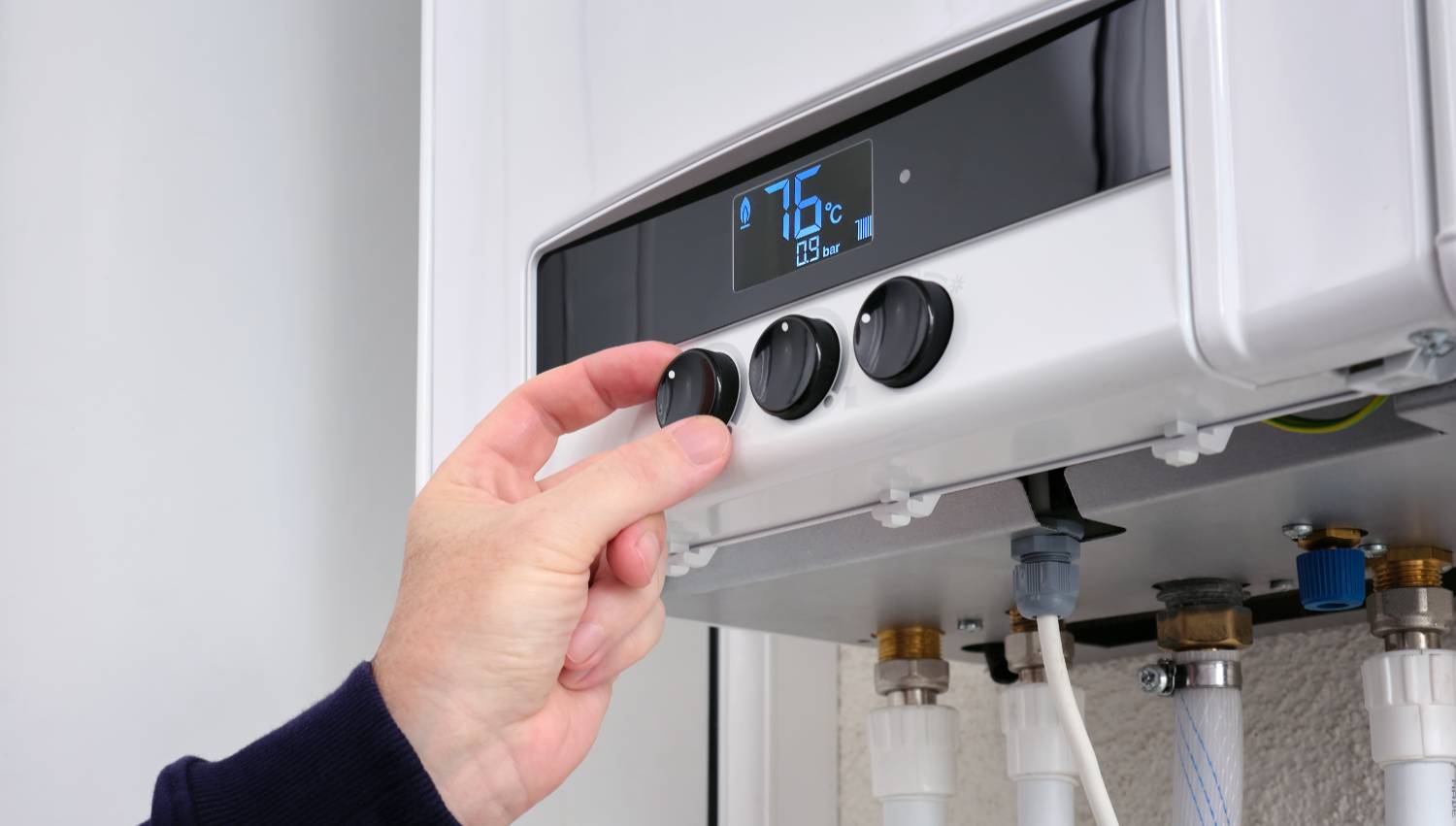
Your boiler is one of the hardest-working appliances in your home. It quietly heats your water, warms your rooms, and keeps your family comfortable through every cold snap and grey winter morning. So when it starts to show its age, it is natural to wonder – how much longer can it keep going, and when does replacing it make more financial sense than repairing it?
Here is what you need to know.
How Long Does a Boiler Typically Last?
Most modern gas boilers have a lifespan of between 10 and 15 years, provided they have been regularly serviced and well maintained. Some boilers will soldier on beyond 15 years, but efficiency tends to drop significantly as components age – which means you could be paying considerably more to heat your home than you need to.
Oil and LPG boilers follow a similar pattern. With good maintenance and annual servicing, a lifespan of 10-15 years is realistic, though older models that have been neglected may start causing problems well before that.
What Affects How Long Your Boiler Lasts?
Several factors influence how well your boiler ages:
- Annual servicing – A boiler that is serviced every year will almost always outlast one that is not. Regular servicing keeps components clean, identifies small issues before they become expensive, and keeps your warranty valid.
- Water quality – Hard water areas like Hertfordshire can accelerate limescale build-up inside a boiler, putting strain on key components and reducing efficiency over time. A magnetic filter or water softener can help significantly.
- System sizing – A boiler that is too small for a property works harder than it should, shortening its lifespan. A properly sized and balanced system will always perform better for longer.
- Installation quality – A boiler installed by a qualified, experienced engineer is far more likely to perform reliably for years to come than one fitted by an unaccredited trader.
Signs Your Boiler Might Need Replacing
Even if your boiler is still technically working, there are clear signs that a replacement is worth considering:
- It is more than 10-12 years old – Older boilers are significantly less efficient than modern A-rated models. Upgrading could cut your heating bills considerably.
- Repair bills are mounting – If you are calling an engineer out regularly, those costs can quickly add up to the price of a new boiler.
- It struggles to keep up – If your home takes a long time to heat or your hot water runs out quickly, your boiler may no longer be up to the job.
- Energy bills are creeping up – An ageing boiler losing efficiency will use more gas or oil to produce the same amount of heat, pushing your bills higher each year.
- It is making unusual noises – Banging, kettling, or rumbling sounds are often signs of wear, limescale build-up, or failing components.
- Parts are hard to source – For older boiler models, spare parts can be difficult and expensive to find. When repairs become impossible, replacement is the only option.
Repair or Replace – How to Decide
A useful rule of thumb used by heating engineers is to multiply the age of the boiler in years by the cost of the repair. If the result is more than half the price of a new boiler, replacement is likely to be the smarter financial decision.
For example, if your 12-year-old boiler needs an £800 repair: 12 x £800 = £9,600. A new boiler installation might cost around £2,000-£3,000 – making replacement a clear winner in that scenario.
Beyond the numbers, a new boiler brings genuine peace of mind. Modern Worcester Bosch models offer A-rated efficiency, extended warranties, and smart controls that help you manage your heating more effectively throughout the year.
How Regular Servicing Extends Boiler Life
The single most effective thing you can do to extend your boiler’s lifespan is to book an annual service. An engineer will clean internal components, check for early warning signs, test safety devices, and ensure everything is running as efficiently as possible. It is a small investment that consistently pays for itself.
At NCS, we service all types of boilers – gas, oil, and LPG – and our experienced engineers are Worcester Bosch trained, meaning your boiler is always in safe hands.
Is It Time for a New Boiler?
Whether your boiler is ageing, unreliable, or simply costing more than it should, NCS Plumbing & Heating Specialists are here to help. We offer expert boiler installations across Hertfordshire and the South East, with access to the latest Worcester Bosch models and flexible options to suit every home and budget.
Get in touch today for a free, no-obligation quote – find out how a new boiler could save you money: https://ncspm.co.uk/services/boiler-installation/