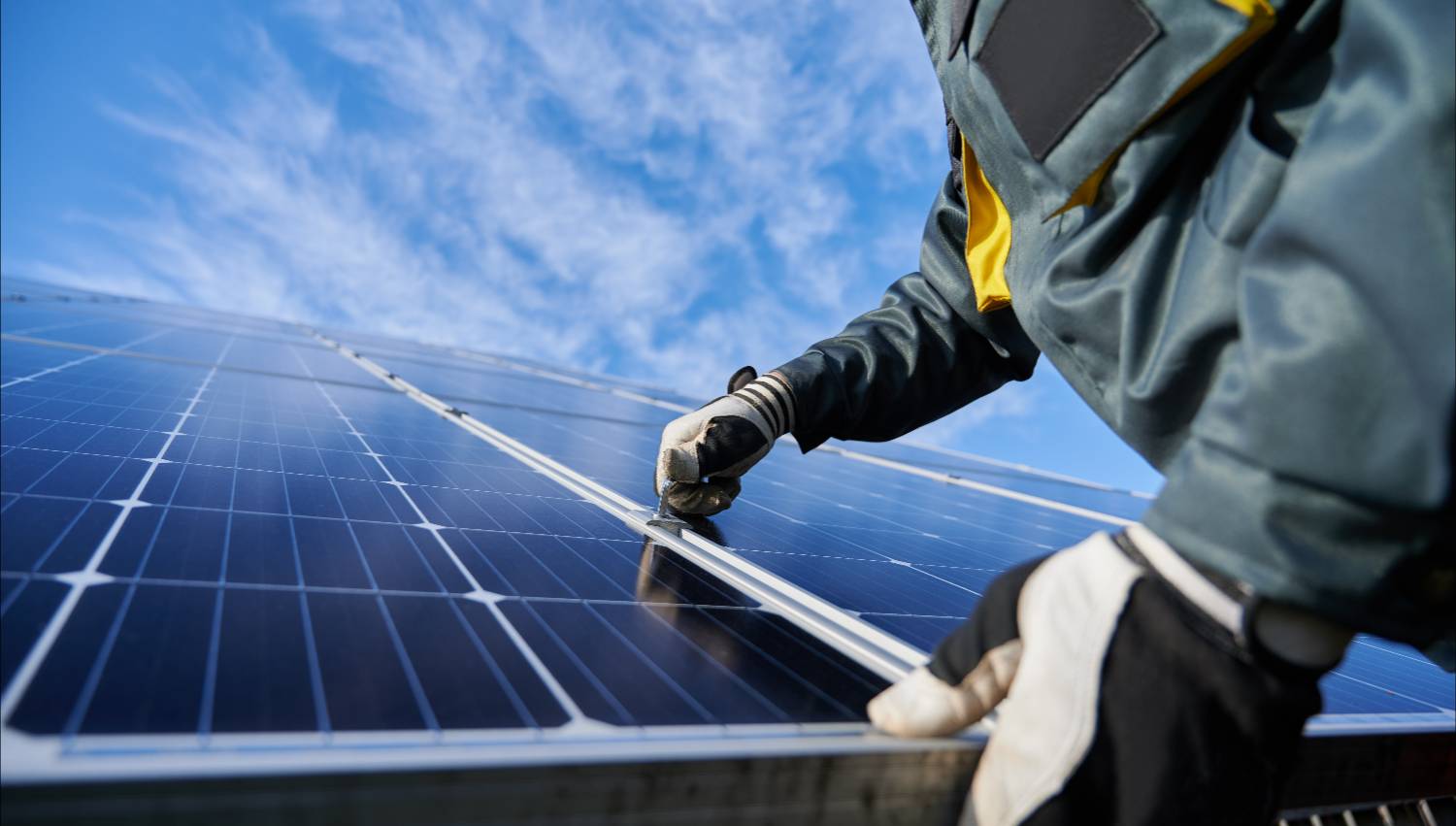
If you have solar panels on your home – or you are thinking about getting them installed – you may have come across the term Smart Export Guarantee, commonly known as the SEG. It is one of the most useful financial benefits available to solar panel owners in the UK, yet many homeowners are not fully clear on how it works or how much they could potentially earn from it.
Here is a plain-English guide to everything you need to know.
What Is the Smart Export Guarantee?
The Smart Export Guarantee is a government-backed scheme that was introduced in January 2020. It requires licensed electricity suppliers with 150,000 or more customers to offer a tariff to homeowners who generate their own renewable electricity and export any surplus back to the national grid.
In simple terms: when your solar panels produce more electricity than your home is currently using, that surplus flows back to the grid – and under the SEG, your energy supplier pays you for every unit you export.
How Does It Work?
To benefit from the SEG, your solar panel system needs to have been installed by an MCS-certified installer and registered with your chosen energy supplier. Once registered, a smart meter records exactly how much electricity you export, and you receive a payment per kilowatt-hour (kWh).
SEG payments are entirely separate from the savings you already make by using your own solar electricity at home. You effectively benefit twice – once by reducing the electricity you buy from the grid, and again by earning money for the surplus you send back to it.
How Much Can You Earn?
SEG tariff rates vary between energy suppliers and are reviewed periodically, so it is always worth comparing what is currently available. Export tariffs currently range from around 1p to 25p per kWh depending on the supplier and tariff type, with some variable tariffs going higher at peak times.
The amount you earn will also depend on:
- The size of your solar panel system
- How much electricity your household uses during daylight hours
- Whether you have battery storage, which reduces how much you export by storing surplus for later use
- The time of year – summer months generate far more surplus than winter
A household with a typical 4kWp solar system could reasonably expect to export a meaningful portion of its annual generation, particularly in the summer months, generating a useful additional income on top of bill savings.
Which Suppliers Offer the SEG?
All energy suppliers with 150,000 or more customers are legally required to offer an SEG tariff. This covers most of the major UK energy providers, and smaller suppliers may also offer tariffs voluntarily. Rates, payment frequencies, and any additional terms vary between suppliers, so it is worth reviewing the options before deciding which to register with. Importantly, changing your SEG supplier does not affect your energy supply in any way.
Do You Need a Smart Meter?
Yes. To receive SEG payments, you will need a smart meter capable of recording your exports. Most modern solar installations will include a compatible meter as part of the process. If you already have solar panels but are not yet registered for the SEG, it is worth checking whether your current meter meets the requirements.
SEG vs the Old Feed-In Tariff
The SEG replaced the Feed-In Tariff (FIT), which closed to new applicants in March 2019. If your solar panels were installed before that date, you may already be receiving FIT payments – in which case you cannot also claim the SEG for the same system. For installations completed after April 2019, the SEG is the relevant scheme.
Making the Most of the SEG
The SEG works best when combined with smart energy habits. Running high-demand appliances – such as washing machines, dishwashers, or EV chargers – during daylight hours maximises the solar electricity you use directly. Whatever remains unused is exported and earns you a payment.
If you are considering adding battery storage in the future, it is worth noting that storing more of your surplus will naturally reduce your exports – so the balance between earning from the SEG and saving with a battery is worth thinking through carefully with an adviser.
Ready to Start Earning from Your Solar Panels?
At NCS Plumbing & Heating Specialists, we are MCS-certified solar PV installers, meaning all of our installations are SEG-eligible from day one. Whether you are new to solar or already have panels and want to ensure you are making the most of them, our team is here to help.
Get in touch today for a free, no-obligation consultation about solar panel installation across Hertfordshire and the South East: https://ncspm.co.uk/services/solar-pv/