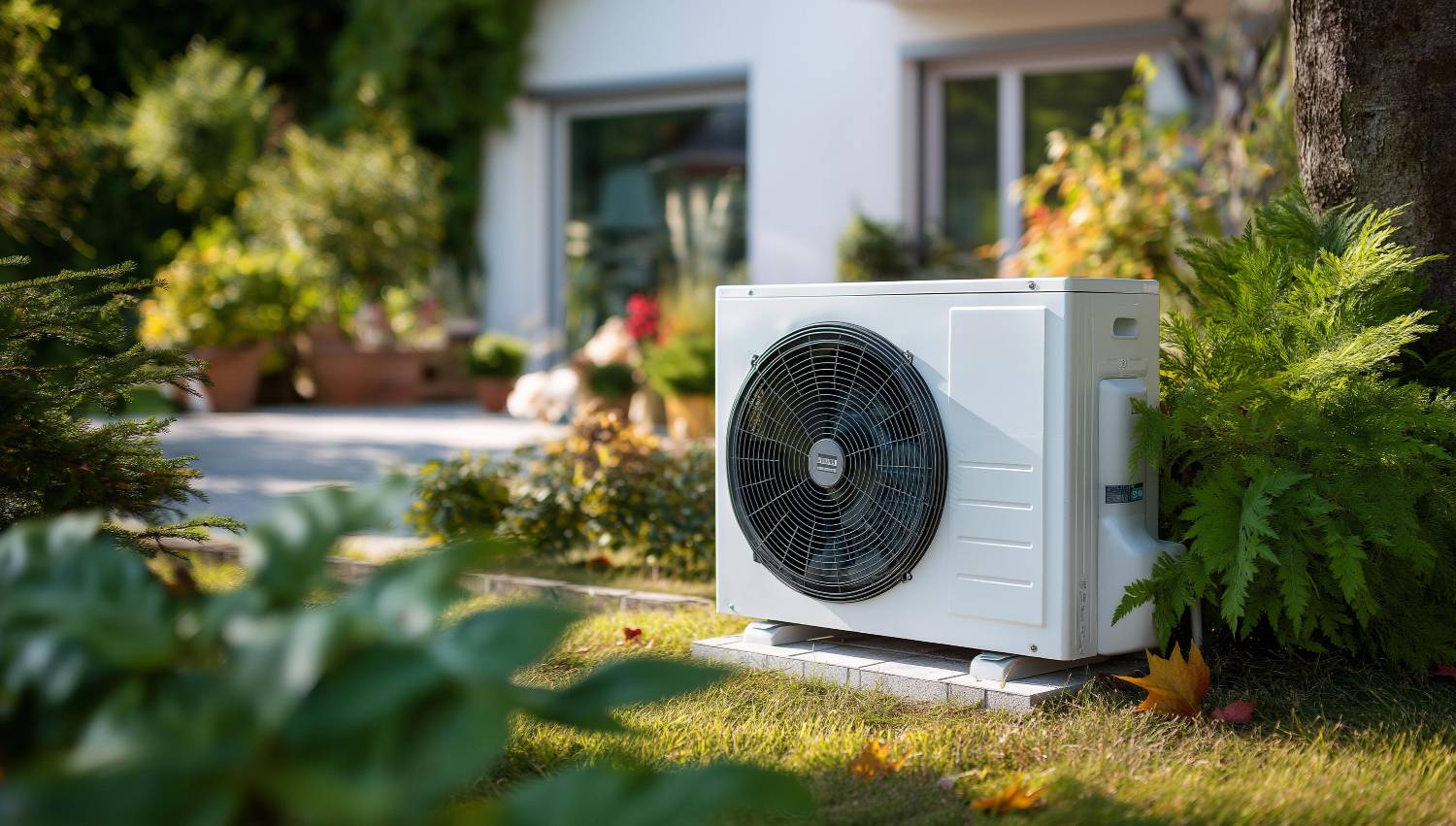
Switching to a heat pump is one of the most impactful changes you can make for your home’s energy efficiency – but the upfront cost can feel daunting. That is where the Boiler Upgrade Scheme (BUS) comes in. This government-backed grant is designed to help UK homeowners cover a significant portion of the installation cost, making the transition to low-carbon heating far more accessible than many people realise.
Here is everything you need to know about the scheme, how it works, and how to claim it.
What is the Boiler Upgrade Scheme?
The Boiler Upgrade Scheme is a government grant programme administered by Ofgem. It provides a one-off payment towards the cost of installing an eligible low-carbon heating system in your home. The scheme is available to homeowners in England and Wales and replaced the earlier Renewable Heat Incentive (RHI).
The grant amounts currently available are:
- £7,500 towards an air source heat pump
- £7,500 towards a ground source heat pump (including water source heat pumps)
- £5,000 towards a biomass boiler (subject to eligibility in rural areas)
These grants are paid directly to your installer, who deducts the amount from your total installation cost. You do not need to apply to Ofgem yourself – your installer handles the application on your behalf.
Am I eligible for the Boiler Upgrade Scheme?
To qualify for the grant, you need to meet a number of criteria:
- You must own the property (the scheme is not available to tenants)
- The property must be in England or Wales
- You must have a valid Energy Performance Certificate (EPC) with no outstanding recommendations for loft or cavity wall insulation
- The property must already have a functioning heating system that the new heat pump will replace
- The installation must be carried out by an MCS-accredited installer
It is also worth noting that the grant cannot be combined with certain other energy efficiency schemes, so it is worth discussing your specific circumstances with a qualified installer before proceeding.
Why does MCS accreditation matter?
MCS – the Microgeneration Certification Scheme – is a nationally recognised standard for installers of low-carbon technologies. Only MCS-accredited installers can apply for the Boiler Upgrade Scheme on your behalf. If your installer is not MCS-accredited, you will not be able to access the grant – regardless of how good the installation is.
Beyond the grant, MCS accreditation is a mark of quality and competence. It means the installer has met strict criteria in terms of training, equipment, and installation standards. When you choose an MCS-accredited company, you can be confident that the work will be carried out to the highest industry standards.
What does the £7,500 grant mean in practice?
For most homeowners, the grant makes a substantial difference to the overall cost of installation. An air source heat pump installation typically costs between £8,000 and £15,000 depending on the size of the property and the complexity of the work involved. With a £7,500 grant applied, the net cost to the homeowner can be considerably reduced.
Combined with the long-term savings on energy bills – particularly when replacing an older gas or oil boiler – the financial case for making the switch becomes far more compelling.
What about my EPC?
Your EPC (Energy Performance Certificate) plays an important role in eligibility. If your certificate shows outstanding recommendations for loft or cavity wall insulation, these will need to be addressed before you can access the grant. This requirement is designed to ensure that low-carbon heating systems are installed in well-insulated homes, where they can operate at their most efficient.
If you are unsure about your EPC rating or what recommendations it contains, a qualified installer can advise you as part of the initial survey process.
How do I get started?
The simplest way to begin is to contact an MCS-accredited installer for a free, no-obligation survey and quote. They will assess your home, advise on the most suitable system, confirm your eligibility for the Boiler Upgrade Scheme, and handle the grant application on your behalf.
At NCS Plumbing & Heating Specialists, we are MCS-accredited installers covering Hertfordshire and the South East. We have helped many homeowners access the Boiler Upgrade Scheme and make the switch to cleaner, more efficient heating.
Get in touch today to find out whether you qualify and take the first step towards a greener, more affordable home – visit ncspm.co.uk/services/air-source-heat-pump-installation to learn more.