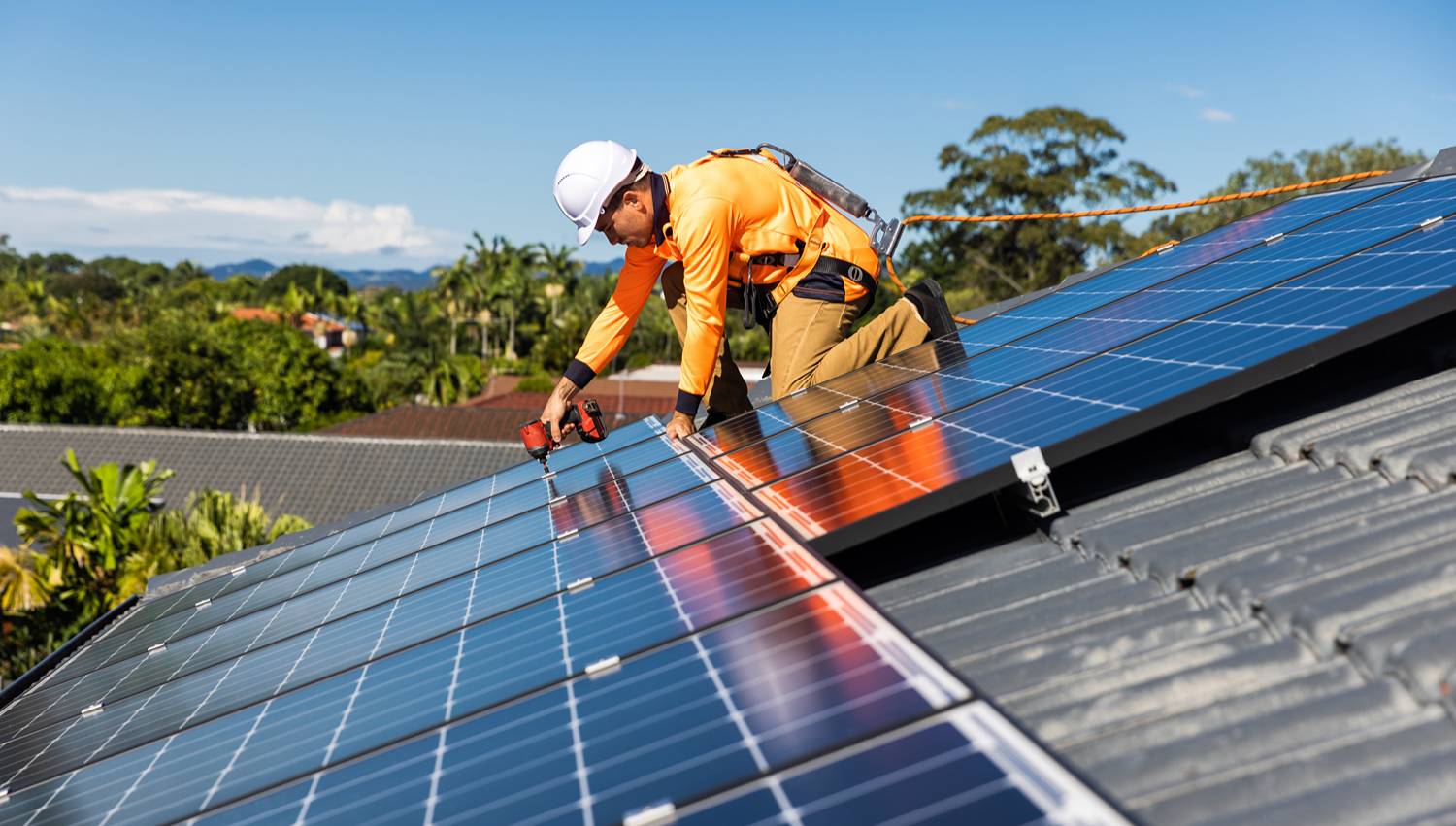
If you’re considering solar PV panels for your home, you’ll likely come across the term “MCS certified” again and again. But what does it actually mean, and why should it influence who you choose to install your system? Here’s everything you need to know before signing off on your solar investment.
What Is MCS?
MCS stands for the Microgeneration Certification Scheme – the UK’s national quality assurance scheme for small-scale renewable technologies, including solar PV, battery storage, air source heat pumps, and biomass systems. MCS operates on two levels: it certifies the products themselves (ensuring solar panels and inverters meet rigorous performance and safety standards) and it certifies installers (confirming they have qualified staff, sound technical processes, and proper quality management systems in place).
Although MCS certification isn’t a legal requirement in the way that Gas Safe registration is for gas engineers, it’s the industry’s recognised mark of quality for renewable installations – and, in several important ways, it’s effectively essential.
Why MCS Certification Matters So Much
The single biggest reason MCS certification matters is the Smart Export Guarantee (SEG). This government-backed scheme requires large energy suppliers to pay homeowners for surplus solar electricity exported back to the National Grid. Crucially, you can only access SEG payments if your system was installed by an MCS-certified company. Without it, any surplus energy you generate and send back to the grid simply goes unpaid.
Beyond the SEG, MCS certification affects several other practical areas:
- Home insurance. A growing number of insurers require MCS certification before they’ll cover a solar PV installation, treating uncertified systems as a higher risk.
- Mortgages and remortgaging. Many mortgage lenders expect to see an MCS certificate for any solar installation, particularly if you’re selling or remortgaging your property in future.
- Manufacturer warranties. Panel and inverter warranties are often conditional on MCS-compliant installation, so skipping certification could leave you without cover if something goes wrong.
- Approved products only. MCS-certified installers can only fit MCS-approved equipment, giving you confidence that the panels, inverters, and mounting systems used in your installation have passed independent testing.
What MCS Certification Actually Involves
Becoming MCS certified is a genuinely rigorous process, typically taking several months to complete. Installers must demonstrate technical competence across system design, electrical safety, and workmanship, appoint a Nominated Technical Person responsible for maintaining standards, and implement a documented quality management system. They’re also required to belong to a recognised consumer protection scheme, adding a further layer of protection if anything goes wrong during your installation.
Certification isn’t a one-off badge, either. MCS-certified installers are regularly audited and reassessed to ensure they continue to meet the scheme’s standards, so choosing a certified company means ongoing accountability, not a single tick-box exercise completed years ago.
Checking an Installer’s MCS Status
Don’t simply take an installer’s word for it. You can verify any company’s current MCS certification status directly via the MCS website’s public installer register before signing a contract. It’s worth checking this at the quote stage, again before signing, and once more before installation begins, since certification can occasionally lapse.
MCS at NCS
At NCS, our solar PV installations are carried out under full MCS accreditation, giving Hertfordshire homeowners complete confidence that their system has been designed, installed, and commissioned to nationally recognised standards. It also means our customers are fully eligible to register for the Smart Export Guarantee and start earning money from the energy their panels generate, with no certification gaps to worry about.
The Bottom Line
Solar PV is a significant investment, typically running into several thousand pounds, so it’s worth protecting that investment from the outset. Choosing an MCS-certified installer doesn’t just tick a box – it determines whether you can access government incentives, secure proper insurance cover, and rely on manufacturer warranties if anything needs attention down the line.
Thinking about making the switch to solar? Get in touch with our MCS-certified team for a free, no-obligation solar PV quote: https://ncspm.co.uk/services/solar-pv/