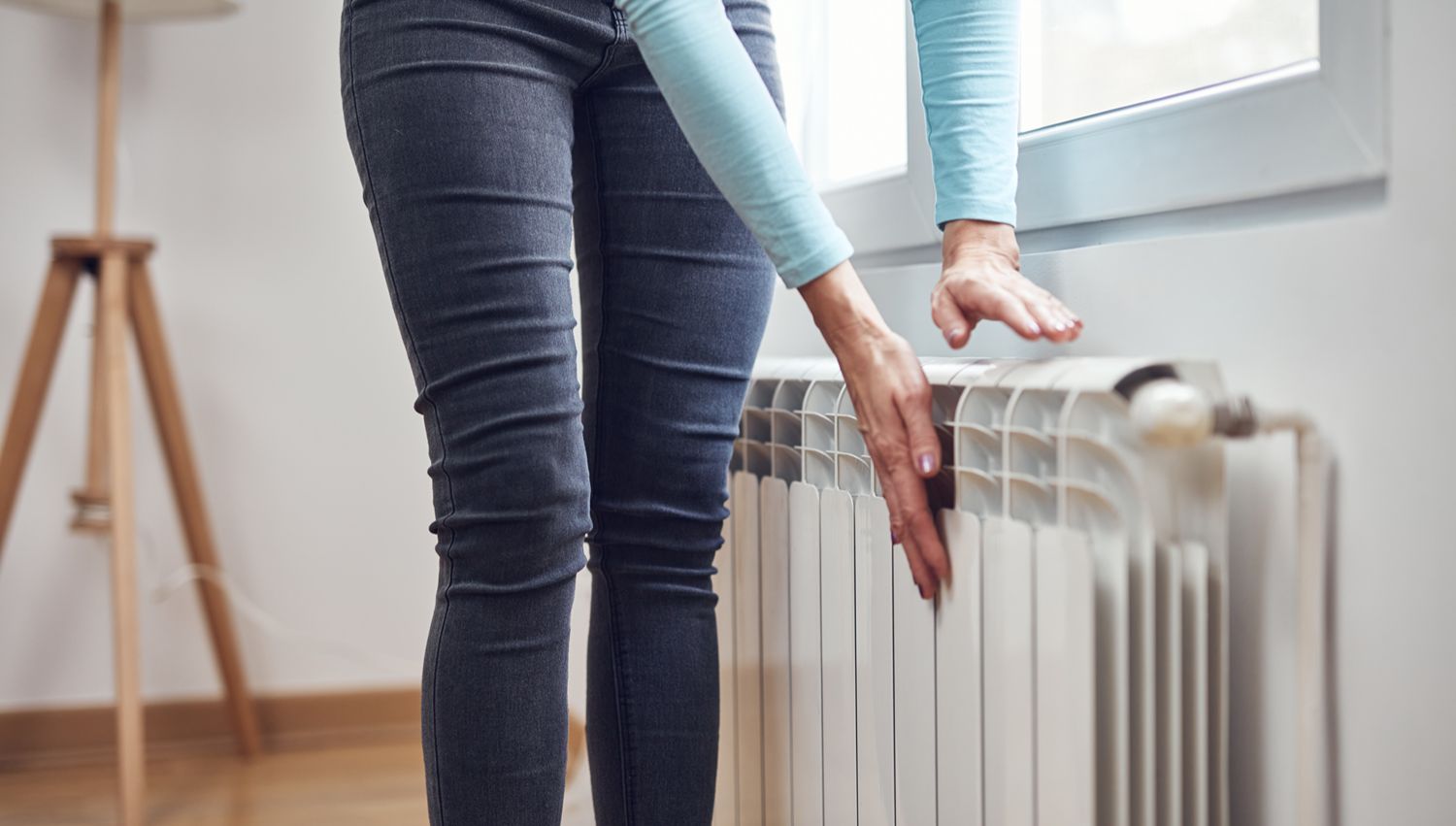
A radiator that’s warm at the top but stubbornly cold along the bottom is one of the most common heating niggles homeowners face – and it’s easy to misread. A cold top usually points to trapped air, but a cold bottom tells a different story altogether. Here’s what’s really going on, and how to put it right.
The most likely culprit: sludge build-up
If your radiator heats up nicely across the top but stays cold along the bottom edge, the usual cause is a build-up of sludge inside the radiator itself. This sludge – a thick, muddy mix of rust, dirt, and debris – is technically known as magnetite. It forms over time as water reacts with the metal components inside your central heating system.
Because sludge is heavier than water, it sinks and settles at the bottom of your radiators. Over months and years, it accumulates into a layer that blocks hot water from circulating through the lower section of the panel. The top of the radiator still gets warm because hot water can pass through freely, but the bottom is effectively clogged – so it stays cold.
Why sludge is more than just an annoyance
A single radiator with a cold patch might not seem like a big deal, but sludge rarely stays in one place. As it circulates through your system, it can:
- Reduce the efficiency of every radiator in your home
- Create cold spots that make rooms harder to heat
- Put extra strain on your boiler and pump, as they work harder to push water through restricted pipework
- Increase your energy bills, because your system is running less efficiently
- Shorten the lifespan of your boiler and components
Left unchecked, sludge can eventually cause blockages, breakdowns, and expensive repairs – so a cold-bottomed radiator is worth addressing sooner rather than later.
How to fix a cold-bottom radiator
The good news is that this is a very fixable problem. The right solution depends on how widespread the issue is.
For a single affected radiator, it may be possible to remove and flush it individually, clearing the sludge from that one panel. This is a fiddly job that involves disconnecting the radiator and rinsing it through, so many homeowners prefer to leave it to a professional.
For multiple affected radiators, or if sludge has built up throughout your system, a power flush is usually the best answer. This is a thorough, professional deep-clean that uses specialist equipment to pump a cleaning solution through your entire central heating system at high velocity, dislodging and removing years of accumulated sludge, rust, and debris. Once complete, hot water can circulate freely again, restoring your radiators to full performance.
Preventing sludge in the future
Once your system is clean, a few simple measures can keep it that way:
- Fit a magnetic filter. This device attaches to your pipework and captures metallic debris before it can settle in your radiators. It’s a small, cost-effective addition that offers years of protection.
- Add a chemical inhibitor. This is a liquid additive that slows the chemical reactions causing sludge and corrosion inside your system.
- Book regular servicing. An annual heating service helps catch build-up early, before it causes noticeable problems.
Could it be something else?
While sludge is by far the most common cause, a cold-bottom radiator can occasionally point to other issues – such as a faulty valve restricting flow, or a system that needs balancing. If a power flush and preventative measures don’t resolve the problem, it’s worth having a heating engineer take a closer look to rule out these less common causes.
The bottom line
A radiator that’s cold at the bottom is your heating system’s way of telling you that sludge has started to build up. It’s a common problem, but not one to ignore – because what starts as a single cold patch can gradually reduce the efficiency of your whole system and drive up your bills. A professional flush, followed by a magnetic filter and regular servicing, will get your radiators working properly again and keep them that way.
At NCS Plumbing & Heating Specialists, we carry out professional power flushing across Hertfordshire and the South East, clearing years of build-up and restoring your system to peak performance. If your radiators have cold spots, get in touch for a free, no-obligation quote today.