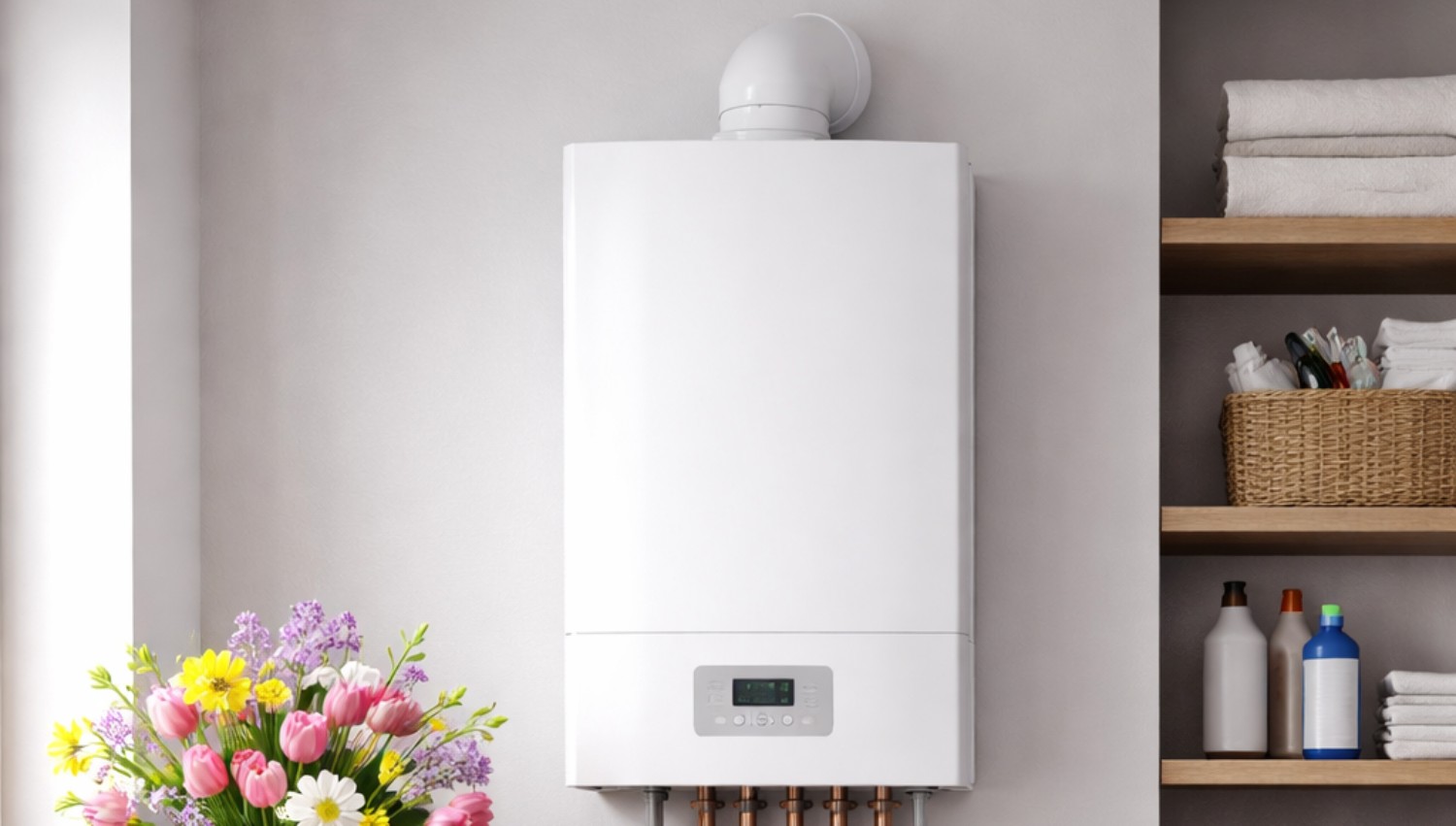
As the days grow longer and temperatures begin to rise, most homeowners are happy to give their heating system a well-earned rest. But before you forget about your boiler until next autumn, spring is actually the perfect time to carry out some simple maintenance tasks that will keep your system in top condition.
Here’s how to prepare your heating system for the warmer months – and why a little attention now can save you time, money, and stress when winter returns.
Why Spring Maintenance Matters
Your heating system has been working hard all winter. Over several months of near-constant use, small issues can develop – reduced efficiency, minor wear on components, or the gradual buildup of sludge in your radiators. Addressing these problems in spring, when you’re not relying on your heating, means you won’t face unexpected breakdowns when you need warmth most.
Spring maintenance also gives you time to book a professional service without the autumn rush, when heating engineers are at their busiest.
1. Bleed Your Radiators
If you’ve noticed cold spots on your radiators during winter, trapped air is likely the cause. Bleeding your radiators releases this air and allows hot water to circulate properly.
To bleed a radiator, turn off your heating and let the system cool. Use a radiator key to open the bleed valve slightly until you hear air hissing out. Once water starts to trickle through, close the valve. Check your boiler pressure afterwards – bleeding radiators can cause pressure to drop.
2. Check Your Boiler Pressure
Speaking of pressure, now is a good time to ensure your boiler is operating within the correct range. Most combi boilers should sit between 1 and 1.5 bar when the system is cold. If pressure is too low, you can repressurise the system using the filling loop. If it keeps dropping, there may be a leak that needs professional attention.
3. Test Your Heating One Last Time
Before switching off for the season, run your heating for 15-20 minutes to check everything is working correctly. Listen for unusual noises such as banging, gurgling, or whistling – these can indicate issues like trapped air, pump problems, or limescale buildup.
If something doesn’t sound right, it’s far better to investigate now than to discover a fault on the first cold day of autumn.
4. Book Your Annual Boiler Service
If your boiler is due a service, spring is the ideal time to book it. Annual servicing keeps your boiler running efficiently, identifies potential problems before they become serious, and ensures your system is safe to use.
A qualified engineer will check all the key components, clean parts where necessary, and provide a service record – which is often required to maintain your warranty.
5. Consider a System Flush
If your radiators have been slow to heat up or you’ve noticed discoloured water when bleeding them, sludge may have built up inside your system. A professional power flush clears this debris from your pipes and radiators, improving heat distribution and efficiency.
Spring is a convenient time to have this done, as you won’t miss your heating while the work is carried out.
6. Inspect Your Hot Water Cylinder
If you have a traditional heating system with a hot water cylinder, check that the insulation jacket is still in good condition. A well-insulated cylinder retains heat more effectively, reducing energy waste. Also check for any signs of corrosion or leaks around the base.
7. Turn Off Your Heating Timer
It sounds obvious, but don’t forget to adjust your heating controls for the warmer months. Switching off your programmer or setting your thermostat to a lower temperature prevents your boiler from firing up unnecessarily on cooler spring mornings.
If you have a smart thermostat, consider switching to a summer schedule or enabling a holiday mode.
8. Don’t Forget Your Outdoor Pipework
If you have an air source heat pump or external condensate pipes, give them a visual check. Remove any debris, check for damage from winter weather, and ensure nothing is blocking airflow around heat pump units.
Make the Most of the Off-Season
A little effort in spring can extend the life of your heating system, improve efficiency, and give you peace of mind heading into the colder months. Whether it’s a quick DIY check or a full professional service, taking action now is always easier than dealing with problems later.
Need help getting your heating system ready for the off-season? At NCS Plumbing & Heating, we offer expert boiler servicing, system maintenance, and power flushing across Hertfordshire and the South East. Contact us today to book your spring service.